MoovMart — Multi‑Vendor Grocery Delivery
A multi-vendor, multi-module delivery marketplace: grocery, pharmacy, restaurants and parcels on one platform, with independent operating zones and pricing, and four apps — customer, vendor, courier and admin — all on a single API. Our largest system by route count: around 1,456 routes.
Overview
Our largest system: vendors and stores, carts and orders, delivery men with wallets, loyalty points and referrals, campaigns, coupons and cashback, subscriptions and in‑app messaging — with a full mobile API.
01The challenge
One delivery platform selling fundamentally different things: grocery has stock and weights, pharmacy has generic names and warnings, restaurants have add-ons and prep times, and a parcel has no inventory at all. Collapsing them into a single "product" would have produced a distorted model that serves none of them well.
Pricing is not one number either: delivery fees change by zone, distance and peak time, commission differs per store, and tax differs by item and jurisdiction.
02What we built
The platform is built around the idea of a module: grocery, pharmacy, restaurants and parcels are each a module type with their own fields and behaviour, plus separate item details per type — nutrition and allergens for food, generic names for medicine, e-commerce details for goods. Zones are drawn geographically and decide who serves where and at what price.
Pricing was layered: zone-based delivery fees, surge pricing on defined dates, per-store commission, and an independent tax module our team built that computes tax at item level with a global tax setup and tax reports for both admin and vendor.
The marketing side is complete: campaigns, flash sales, coupons, cashback, loyalty points and referrals — for customers and couriers alike. We also added an AI module that auto-fills product data to speed up catalogue onboarding.
03The outcome
The platform runs four verticals on one model without forcing any of them into another’s mould, and expanding to a new city became drawing a zone and setting its pricing — not a new build.
The tax module made invoices correct at item level rather than at a flat rate, a difference that shows up directly in vendor reports and settlements.
What the system does
The modules that were delivered and put into daily use.
-
01
Four verticals on one platform — grocery, pharmacy, restaurants and parcels — each with its own fields and behaviour.
-
02
Geographically drawn operating zones controlling coverage, delivery fees and available stores.
-
03
A standalone tax module: item-level tax, a global tax setup, and reports for both admin and vendor.
-
04
Wallets and transactions for customers, vendors and couriers, with disbursements, withdrawals and multiple payout methods.
-
05
A full marketing stack: campaigns, flash sales, coupons, cashback, loyalty points, and customer and courier referrals.
-
06
Store subscriptions with packages, billing and a renewal and refund history.
-
07
Surge pricing on defined dates, extra charges, and configurable cancellation and refund reasons.
-
08
In-app messaging between customer, store and courier, with live Firebase and Reverb notifications.
-
09
An AI module that auto-fills product data to speed up catalogue building.
-
10
More than fifteen payment gateways, offline payments, and two API versions for the apps.
Technologies used
What this system is actually built on — not a generic list.
Core
Realtime & Geo
Payments
Operations
Related work
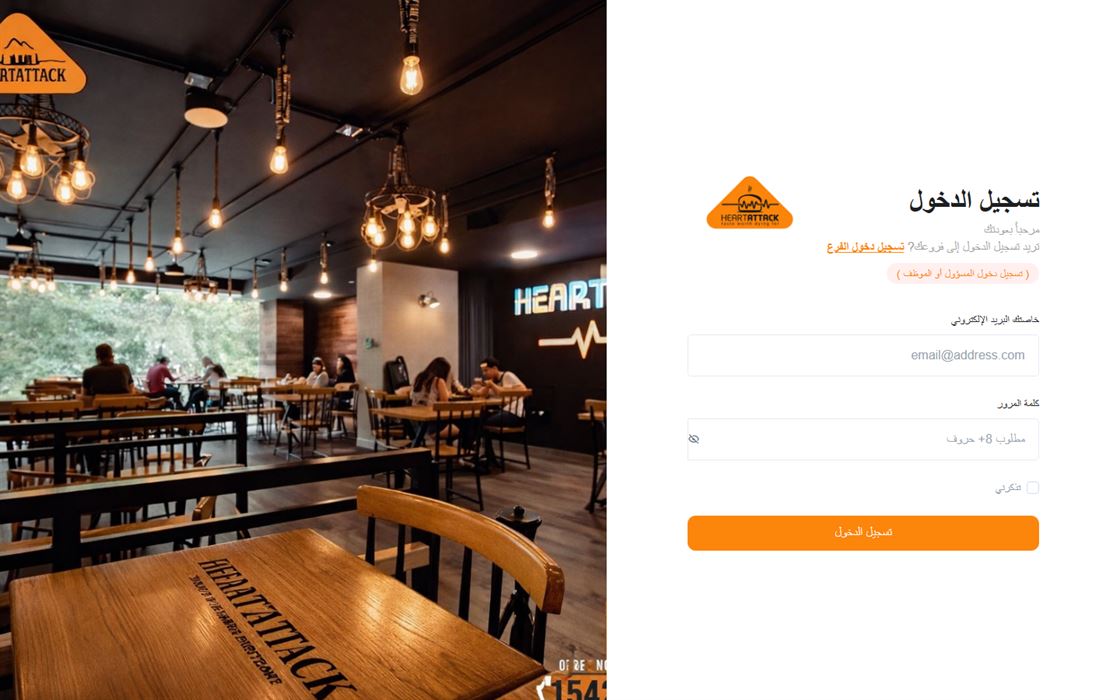
Heart Attack — Restaurant Ordering
Multi‑branch restaurant ordering: cuisines and items, delivery zones with per‑zone charges, partial and offline payments...
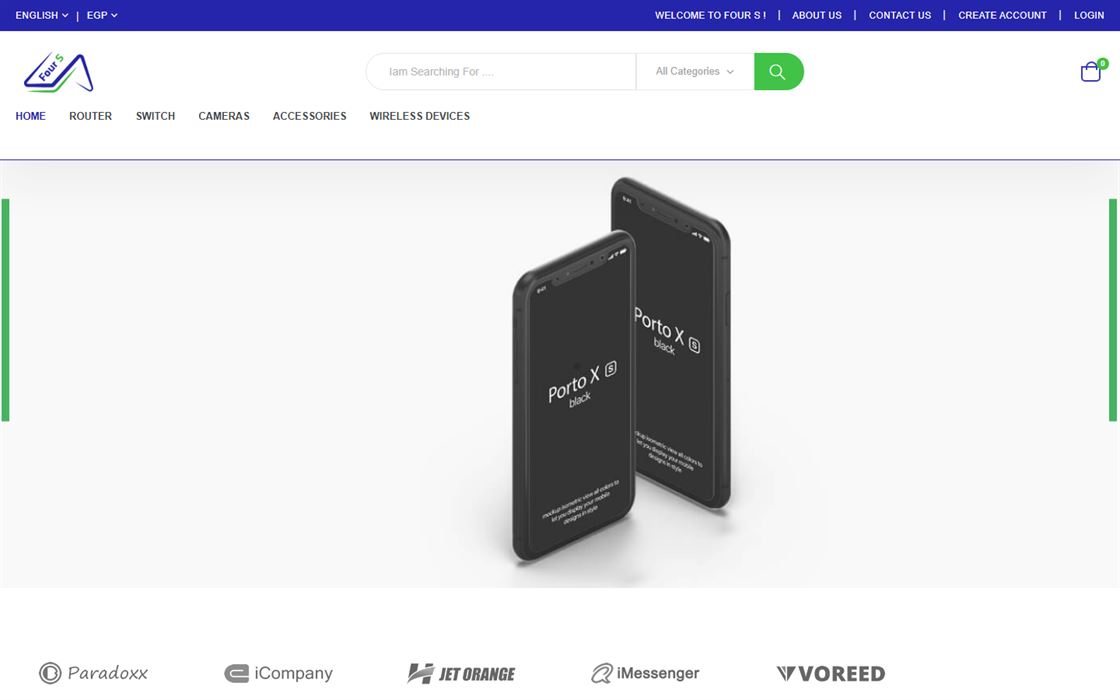
4S Store — E‑Commerce
Complete storefront: products with options and add‑ons, cart and wishlist, coupons and offers, payment gateways and tran...
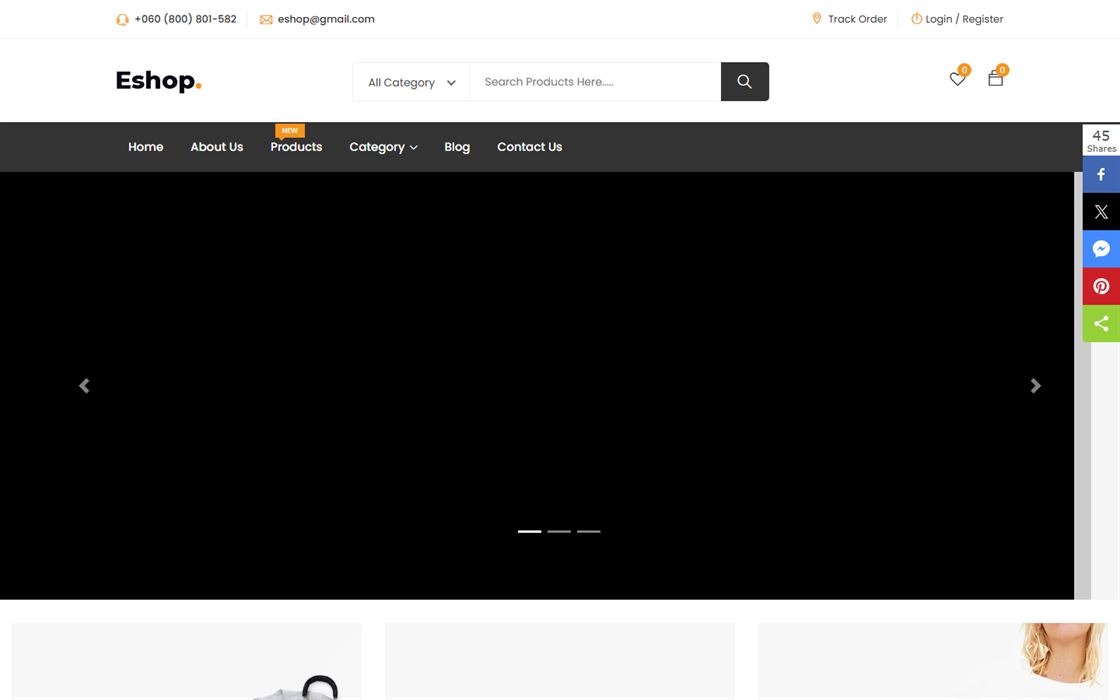
E‑SHOP — Commerce Platform
Storefront with men/women/kids catalogues, product and comparison pages, blog, and an admin panel for catalogue and orde...